
Spray Foam vs. Fibreglass Insulation: Which One Is Best for Your Ontario Home?
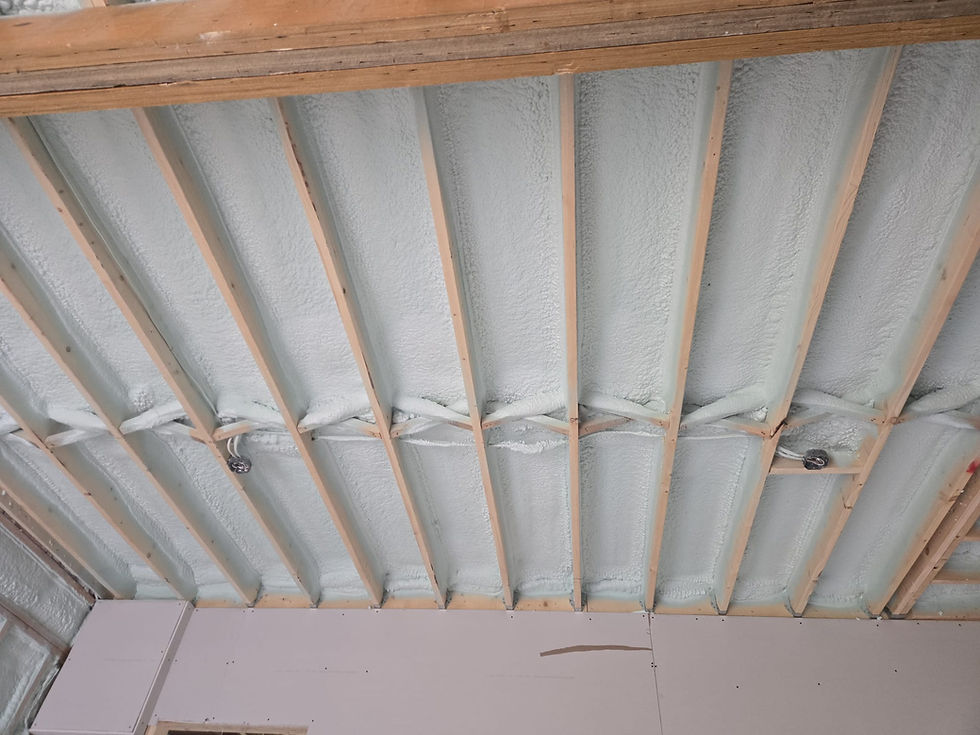
With heating costs climbing and Ontario weather swinging from humid summers to bitterly cold winters, your home’s insulation is working harder than ever. If your house feels drafty, your energy bills keep creeping up, or you own an older home, you have probably wondered whether it is time for an upgrade. For many homeowners, the big question comes down to two options: spray foam or fibreglass. Here is a clear comparison to help you decide.
Spray Foam vs. Fibreglass: What Are They?
Spray foam is a liquid that expands into a solid foam, filling gaps and sealing the space against air leaks. It comes in open-cell and closed-cell types. Fibreglass, usually installed as batts or blown in, is made of fine glass fibres that trap air to slow heat transfer. It is one of the most common and budget-friendly insulation materials in Ontario homes.
Common Insulation Problems Homeowners Face
Before comparing the two, it helps to know the problems good insulation solves:
Heat loss during winter
High energy bills
Moisture buildup and the risk of mould
Old or poorly installed insulation that no longer performs
If any of these sound familiar, your insulation may be due for attention.
Spray Foam vs. Fibreglass: The Comparison
Both materials insulate, but they perform differently across the factors that matter most:
Factor | Spray Foam | Fibreglass (Batt) |
Heat control / R-value | Higher R-value per inch; excellent at slowing heat transfer | Good R-value; relies on thickness and proper fit |
Energy efficiency | Seals air leaks, helping both heating and cooling | Slows heat loss, but air can still leak around it |
Air sealing | Creates a continuous air barrier on its own | Needs a separate air and vapour barrier |
Cost | Higher upfront, with strong long-term savings | More budget-friendly upfront |
Moisture resistance | Closed-cell foam resists moisture and helps guard against mould | Can lose performance if it gets wet |
Lifespan | Holds its performance for decades | Performs for years, but can sag or settle over time |
What to Consider Before Choosing
The right choice depends on your home and your goals. Think about:
Your budget, both upfront and over time
The area being insulated, such as the attic, walls, basement or crawl space
Whether you are renovating, retrofitting an older home or building new
Any moisture concerns in the space
A professional assessment takes the guesswork out of it. For a deeper look, our home insulation checklist for Ontario homeowners walks through what to check, room by room.
Don’t Forget About Rebates
Upgrading your insulation can cost less than you expect. Homeowners in Ontario may qualify for rebate programs such as the Enbridge Home Efficiency Rebate Plus, along with other federal and provincial incentives, which can help offset the cost of a retrofit. Eligibility depends on your home and the work involved, so it is worth asking about current programs before you start. The Enerliv team can walk you through which rebates might apply to your project and how to make the most of them.
Talk to the Ontario Insulation Experts
With more than 20 years of experience, Enerliv Insulation helps homeowners across Ontario choose the right insulation for their space. Whether you need whole-house insulation, spray foam insulation, or batt (fibreglass) and polyurethane insulation, our certified team can recommend the best fit. We also handle home renovations and retrofits for older houses that need an upgrade.
Not sure which is right for you? Get a free quote from Enerliv Insulation and make your Ontario home more comfortable and energy efficient.
We provide professional insulation services for residential, commercial, and industrial properties across the following areas: Kitchener Waterloo, Cambridge, London, Hamilton, Mississauga, Burlington, Oakville ,Guelph, Brantford, and Port Credit.
Comments